A good lesson plan is a roadmap that gives structure to learning, keeps students engaged and helps teachers deliver with confidence. Whether you’re a trainee preparing your first lessons or an experienced educator refining your approach, understanding what makes a lesson plan effective can have a real impact on teaching quality and student outcomes.
Below, we cover the essential principles behind strong lesson planning, from setting clear objectives to building in time for reflection.
Why Does Lesson Planning Matter?
Planning is the foundation of purposeful teaching. Without it, lessons can feel disjointed, pacing can slip and students may struggle to see where the learning is heading. A well-prepared teacher increases the likelihood of a successful lesson for all learners, and that preparation starts with a thoughtful plan.
Good lesson planning also supports consistency across subjects and year groups. It helps teachers connect individual lessons to the broader curriculum, ensuring students build knowledge progressively rather than in isolation. When planning is done well, it gives teachers the confidence to adapt in the moment because they already know what they’re working towards.
What Are the Key Elements of a Good Lesson Plan?
Several core components come together to make a lesson plan genuinely effective. Each one plays a role in creating a focused, engaging and well-organised learning experience.
Clear Learning Objectives
Every strong lesson plan begins with a simple question: what do you want students to learn? The clearer you are about this, the more likely your activities, resources and assessments will align with a specific purpose. Objectives should be measurable so you can track whether students have understood the material before moving on. They should also be realistic within the time available. Vague goals lead to vague lessons, so be as specific as possible about the knowledge or skills students should walk away with.
Understanding Where Students Are Starting From
Before diving into new content, it’s worth considering what your students already know. Some may have less background knowledge and need additional support, while others may have previously mastered the content and are ready for enrichment. A quick pre-assessment, whether formal or informal, can help you pitch the lesson at the right level. This kind of responsive planning ensures you’re starting from where students actually are, not where you’d like them to be.
Well-Organised Structure
Students notice when a lesson feels well planned. High-quality resources, effective use of time and a clear sense of direction are all hallmarks of a great lesson. Your plan should map out how you’ll move from one section to the next, with transitions handled smoothly. Too few activities can lead students to disengage, while too many can cause confusion. Striking that balance is key, and a well-structured plan makes it far easier to manage.
A Strong Opening
First impressions matter in lessons just as they do anywhere else. A dynamic opening creates excitement around the content and helps students see why the learning is relevant to them. This might be a thought-provoking question, a surprising fact or a problem to solve. The goal is to hook students early and connect them to the lesson’s objectives from the start.
Purposeful Learning Activities
The activities you choose form the heart of your lesson plan. Each one should relate directly to the learning objectives and encourage students to think. Research consistently shows that learning is most likely to happen when students are actively thinking, whether through discussion, practice, problem-solving or written responses.
Variety also matters. Giving students different ways to explore and apply what they’ve learned helps them retain information and keeps engagement high. When selecting activities, consider the timeframe required and whether each task moves students closer to the intended outcome.
Regular Checks for Understanding
Building in moments to assess understanding throughout the lesson is essential. Rather than waiting until the end to find out whether students have grasped the material, frequent checks allow you to adjust your approach as you go. Tools like mini whiteboards, learning signals, or short written tasks can make every student’s thinking visible. This kind of ongoing assessment ensures that no one is left behind and helps you identify misconceptions early.
A Clear Ending
Every lesson deserves proper closure. This doesn’t need to be elaborate. A brief summary of the key learning points, a short formative assessment or a question that ties back to the lesson objective can all work well. The important thing is that students leave with a clear sense of what they’ve learned and any remaining misunderstandings are addressed.
How Can Teachers Plan More Efficiently?
Time is one of the biggest challenges teachers face, and lesson planning can easily consume hours if you let it. The good news is that effective planning doesn’t have to mean starting from scratch every time.
Build on What Already Exists
Previous plans, resources shared by colleagues and existing schemes of work are all valuable starting points. There’s no need to reinvent the wheel when quality plans are already available. Adapting and refining is often more efficient than creating from nothing.
Collaborate With Colleagues
Splitting the workload across a year group or department can be hugely beneficial. Collaborative planning not only saves time but also draws on a wider range of expertise and ideas. Working together with colleagues and involving teaching assistants where possible can make the process both more manageable and more creative.
Keep It Practical
Your lesson plan is a working document, not a piece of coursework. It should be useful to you and other professionals working with you. Don’t spend time producing pages of detail that won’t directly improve teaching or learning. Focus on what matters: clear objectives, well-chosen activities and a plan for assessing progress.
How Does Reflection Improve Future Planning?
One of the most valuable habits a teacher can develop is reflecting on lessons after they’ve been taught. Taking a few moments to note what worked well, what didn’t and where students needed the most support provides insights that feed directly into better planning next time. Over time, this cycle of planning, teaching and reflecting helps you refine your approach and develop lessons that consistently meet students’ needs.
Support Your Planning With Penstripe Teacher Planners
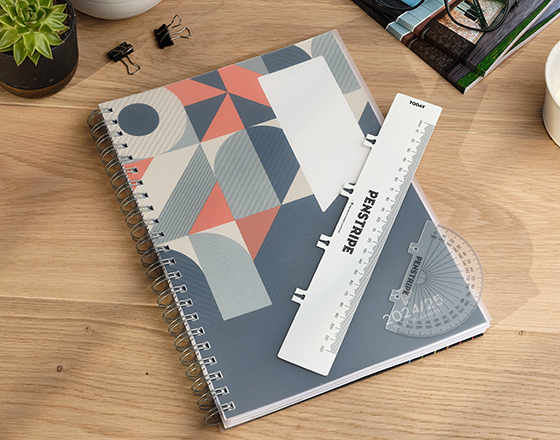
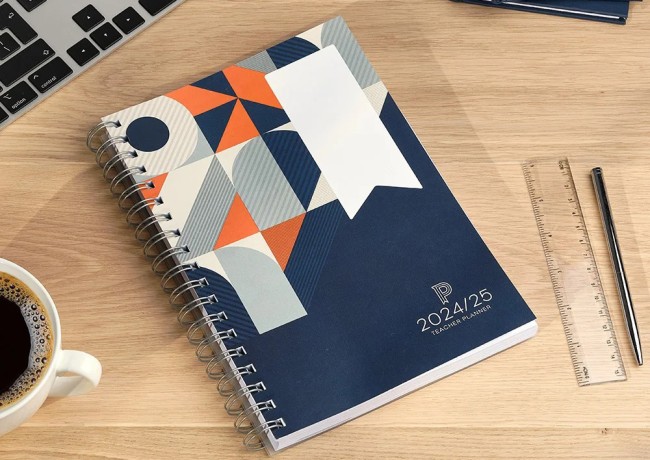
A good lesson plan deserves a planner that works just as hard as you do. At Penstripe, we work with schools to design Teacher Planners that support educators throughout the academic year. Available in A4, B5 sizes and bespoke sizes, with multiple binding options, our planners are built to last and designed to keep your planning organised and accessible.
Penstripe Teacher Planners are available in A4 or B5 sizes, with customisable covers featuring your school branding and the option to include bespoke content pages tailored to your needs. Whether you prefer a Wiro-bound format for layflat opening or a ring-bound option for adding inserts, we have a solution that fits your teaching style.
With over 30 years of experience, a dedicated UK-based team and our delivery on-time guarantee, we’re here to support your planning from quote through design to delivery. Contact us today to find out more about our Teacher Planners.