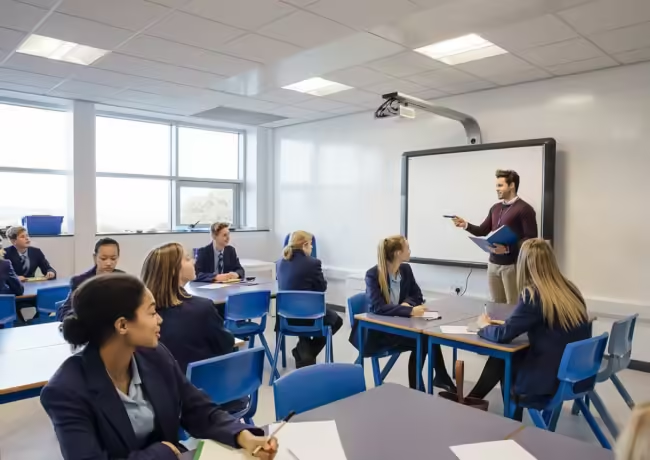
Goal setting is one of the most powerful skills a student can develop. Whether they’re just starting primary school or preparing for college, learning how to set clear and meaningful goals helps students stay focused, build confidence and take ownership of their progress.
But setting goals that actually lead to results takes more than writing down a wish list. We explain why goal setting matters, the different types of goals students can work towards, practical frameworks for getting started and how to stay motivated when things get tough.
Why Is Goal Setting Important for Students?
It’s easy to tell students to “work hard” or “do your best,” but without a clear direction, those words can feel empty. Goal setting gives students something concrete to aim for and a way to measure how far they’ve come.
When students set their own goals, they begin to see what success looks like for them personally. This sense of direction builds motivation, helps with time management and encourages a feeling of purpose in their studies. Rather than simply reacting to deadlines, students who set goals learn to plan ahead, prioritise tasks and manage their workload more effectively.
Goal setting also plays a significant role in building self-discipline. Students who regularly work towards goals develop the ability to stick to a schedule, meet deadlines and resist the temptation to procrastinate. These are skills that benefit them far beyond the classroom.
Perhaps most importantly, achieving goals, even small ones, builds confidence. Each completed task reinforces the belief that progress is possible, creating a positive cycle of effort and reward.
What Types of Goals Can Students Set?
Not all goals are created equal. Having a healthy mix of different goal types keeps students motivated and helps them see the bigger picture.
Long-Term Goals
These are the broader ambitions that might span an entire academic year or even several years. Examples include achieving a particular grade in a subject, gaining a place at a preferred university or pursuing a specific career path. Long-term goals provide direction and purpose, but they can also feel overwhelming on their own.
Short-Term Goals
Short-term goals break those larger ambitions into manageable steps. Completing a past paper each week, reading a chapter of a textbook before the weekend or practising flashcards during lunch are all examples. These smaller wins build momentum and make long-term goals feel far more achievable.
Personal Development Goals
Academic targets are important, but so are the skills that underpin them. Goals focused on improving communication, building self-confidence or developing better time management are valuable across all areas of life. A student might set a goal to contribute more during class discussions or to organise their study materials at the start of each week.
How Can Students Set SMART Goals?
The SMART framework is one of the most widely used approaches to goal setting, and for good reason. It turns vague intentions into clear, actionable plans.
Specific
A goal should be clear about what the student wants to achieve. “Get better at maths” is too broad. “Improve my algebra grade from a C to a B” gives the student something precise to work towards.
Measurable
Students need a way to track their progress. Setting a goal to “read more” is hard to measure, but “read two books on my chosen subject this term” gives a tangible target to aim for.
Achievable
Ambitious goals are motivating, but impossible ones are disheartening. A good goal should stretch a student without setting them up for failure. The aim is to inspire, not overwhelm.
Relevant
Each goal should connect to what matters most to the student. If their long-term aim is a career in science, short-term goals should support that direction, whether through extra revision, attending a relevant event or exploring related topics.
Time-Bound
Every goal benefits from a deadline. Without one, it’s too easy to put things off. Setting a realistic timeframe, such as “by the end of this half-term,” keeps students focused and accountable.
How Should Students Create a Goal Setting Action Plan?
Once goals are set, the next step is turning them into a practical plan. Here’s how students can do that effectively:
- Start by writing goals down. There’s something powerful about putting pen to paper. It makes goals feel real and provides a reference point to return to. From there, break each goal into smaller tasks and assign deadlines to each one. This transforms a big ambition into a series of manageable actions.
- Prioritising tasks is equally important. Some goals will be more time-sensitive than others, and understanding what needs attention first helps students manage their energy wisely. Building in regular checkpoints, whether weekly or fortnightly, gives students the chance to review what’s working and adjust their approach if needed.
- It’s worth gathering the right resources and support. Whether that’s a revision guide, a study group or simply a quiet space to work, having the right tools in place makes a real difference. Friends, family and teachers can all act as accountability partners, offering encouragement and helping students stay on track.
How Can Students Stay Motivated?
Even the best-laid plans can lose steam. Staying motivated is often the biggest challenge, and it’s perfectly normal for motivation to dip from time to time.
Celebrate Small Wins
Recognising progress, no matter how small, keeps students moving forward. Finishing a chapter, completing a practice paper or simply sticking to a study schedule for a full week are all achievements worth acknowledging.
Focus on Progress, Not Perfection
Students don’t need to follow their plan flawlessly. Off days happen, and that’s completely fine. The key is to reset quickly rather than abandoning the goal entirely. Viewing setbacks as feedback rather than failure helps students build resilience.
Visualise Success
Taking a moment to picture the outcome of achieving a goal can reignite motivation. Whether it’s imagining the feeling of opening strong exam results or the pride of completing a challenging project, visualisation is a simple but effective tool.
Review and Reflect
Regular reflection helps students identify what’s working and what needs adjusting. A few minutes at the end of each week spent reviewing goals and progress can prevent small issues from becoming bigger problems.
Supporting Goal Setting With Penstripe
Helping students develop strong goal-setting habits starts with giving them the right tools. At Penstripe, we work with schools, trusts and colleges to create planners and journals that support students in staying organised, engaged and on track throughout the academic year.
Our Student Planners include dedicated spaces for goal setting, progress tracking and personal reflection, all fully customisable with your school’s branding, values and specific content. With over 30 years of experience, a dedicated UK-based team and our delivery on-time guarantee, we make the process simple from quote through design to delivery.
Explore our full range or contact us today to find out how we can help.